

In today’s competitive business landscape, efficiency and customer experience are key to success. Whether you run a retail store, a restaurant, or a service-based business, your Point of Sale (POS) system plays a vital role in daily operations. Traditionally, businesses relied on bulky, on-premise POS systems. But with digital transformation and the growing need for flexibility, Cloud POS software has taken the lead.
In this article, we’ll explore why Cloud POS providers are dominating the market, what makes them the best choice for modern businesses, and how choosing the right POS software can transform your operations.
What Is POS Software?
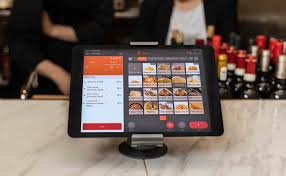
POS (Point of Sale) software is a tool that helps businesses process sales transactions, manage inventory, track customer data, and generate reports. A POS system is not just a cash register—it’s the hub that connects multiple aspects of your business.
There are two main types:
- Traditional POS: Installed locally on computers or servers, requiring regular updates and maintenance.
- Cloud POS: Hosted on the cloud, accessible from any device with an internet connection, offering real-time updates and advanced integrations.
Why Cloud POS Software Is Becoming the Best Choice
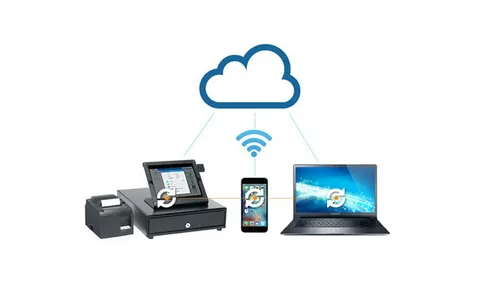
The shift toward cloud-based POS systems is driven by the need for mobility, cost-efficiency, and scalability. Unlike traditional systems, Cloud POS doesn’t lock you into expensive hardware or complex setups. Instead, it offers businesses of all sizes the flexibility to grow and adapt.
Here are the top reasons why Cloud POS providers are leading the way:
1. Accessibility Anytime, Anywhere
With Cloud POS software, you can access your data from anywhere—whether you’re at the store, traveling, or working remotely. All you need is a device and internet connection. This flexibility is crucial for multi-branch businesses and growing enterprises.
2. Lower Setup and Maintenance Costs
Traditional POS systems often require servers, software licenses, and costly IT support. Cloud POS solutions work on a subscription model, eliminating upfront costs and reducing the need for in-house technical expertise.
3. Real-Time Inventory Management
One of the best advantages of Cloud POS is real-time inventory tracking. You can monitor stock levels, set low-stock alerts, and manage multiple locations seamlessly. This prevents stockouts and helps with smarter purchasing decisions.
4. Data Security and Automatic Updates
Cloud POS systems store data securely on remote servers with encryption and regular backups. You don’t have to worry about losing data due to hardware failure. Plus, automatic software updates ensure you’re always running the latest version with new features and security patches.
5. Scalability for Growing Businesses
As your business expands, Cloud POS can scale with you. Adding new outlets, users, or devices is seamless, making it a perfect fit for startups and enterprises alike.
6. Seamless Integrations
Cloud POS software integrates with accounting tools, CRM systems, e-commerce platforms, and payment gateways. This creates a centralized ecosystem that improves efficiency and decision-making.
Key Features of the Best Cloud POS Software
When evaluating Cloud POS providers, look for these must-have features:
- Multi-device support (PC, tablets, smartphones)
- User-friendly dashboard for quick navigation
- Advanced reporting and analytics for smarter decisions
- Customer relationship management (CRM) to build loyalty
- Omnichannel support for retail and e-commerce integration
- Offline functionality to keep operations running without internet
Industries That Benefit the Most from Cloud POS
Cloud POS solutions are not limited to one industry—they serve multiple sectors, including:
- Retail Stores – Manage stock, sales, and customer data seamlessly.
- Restaurants & Cafes – Speed up orders, manage menus, and track deliveries.
- Salons & Spas – Schedule appointments, manage services, and track revenue.
- Supermarkets & Grocery Stores – Monitor inventory and reduce checkout times.
- E-commerce Businesses – Sync online and offline sales for smooth operations.
How to Choose the Best Cloud POS Provider
Not all Cloud POS providers are the same. To ensure you get the best solution, consider these factors:
- Ease of Use – Choose software with an intuitive interface.
- Scalability – Ensure it grows with your business.
- Integration Options – Check compatibility with your existing tools.
- Pricing – Look for flexible subscription plans that match your budget.
- Customer Support – Reliable support is critical for smooth operations.
- Reputation – Research reviews and case studies before making a decision.
Conclusion
The best POS software today is undeniably cloud-based. From real-time data access to cost savings and seamless scalability, Cloud POS providers are shaping the future of business management. Whether you’re a small shop or a large enterprise, investing in Cloud POS software ensures your business is ready for tomorrow’s challenges.
FAQs of Cloud POS Providers
Q1: What is Cloud POS software?
A: Cloud POS software is a point-of-sale system hosted online, allowing businesses to manage sales, inventory, and customer data from any internet-connected device. Unlike traditional POS, it doesn’t require heavy hardware or local servers.
Q2: Why is Cloud POS better than traditional POS?
A: Cloud POS offers greater flexibility, lower costs, automatic updates, and real-time access to business data. Traditional POS is limited to physical locations, requires high setup costs, and often lacks integrations.
Q3: Is Cloud POS software secure?
A: Yes. Cloud POS systems use encryption, secure servers, and automatic backups to protect business data. In fact, cloud-based storage is often more secure than storing data on local servers.
Q4: Which businesses benefit most from Cloud POS systems?
A: Cloud POS is ideal for retail stores, restaurants, cafes, salons, supermarkets, and e-commerce businesses. It helps manage inventory, sales, and customer engagement efficiently.
Q5: How do I choose the best Cloud POS provider?
A: Look for features like multi-device support, real-time reporting, integrations with accounting/e-commerce tools, reliable customer support, and pricing that fits your budget.