
Ultimate Guide to Choosing a POS System in the UK
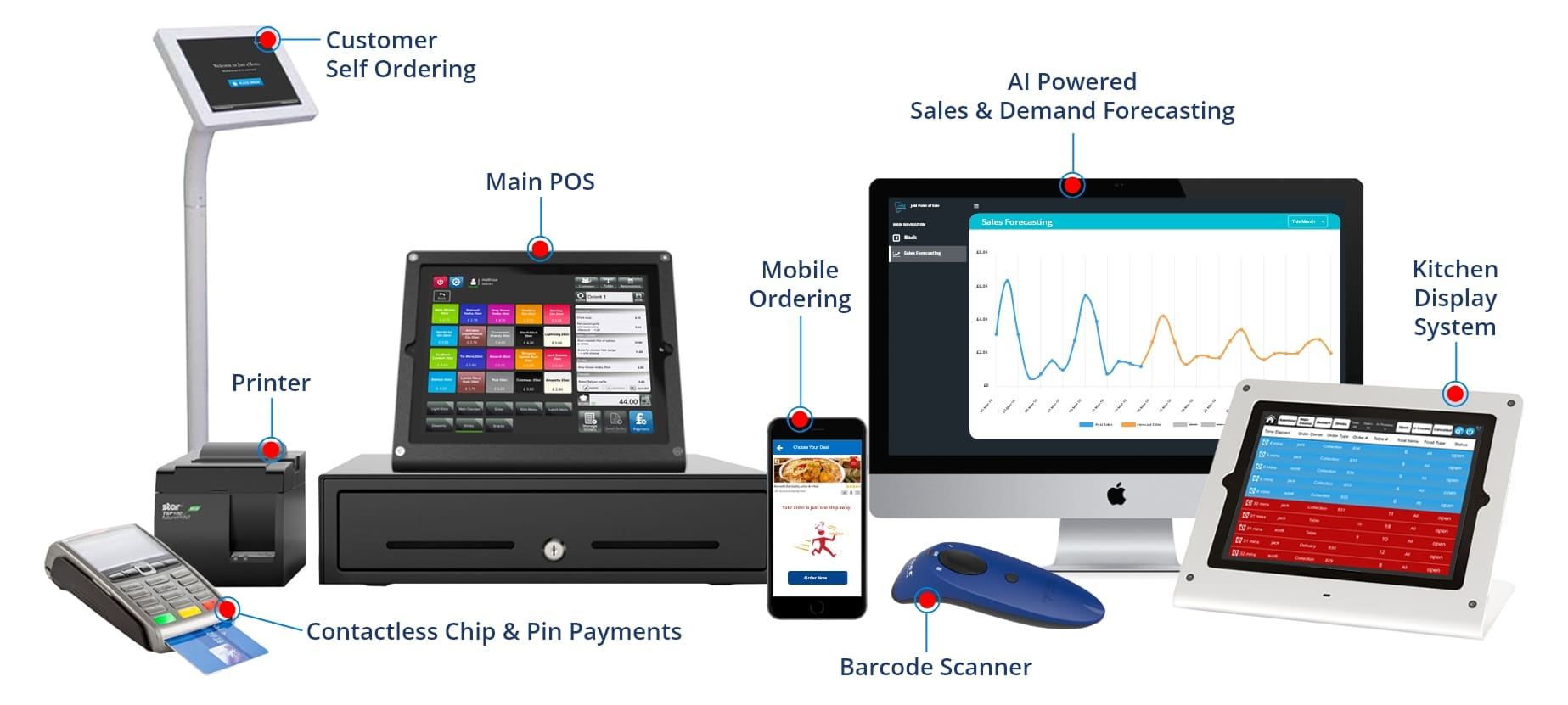
In today’s fast-paced retail and hospitality industries, having the right Point of Sale (POS) system can make or break the efficiency of a business. Whether you operate a bustling café, a high-street clothing store, or a multi-location enterprise, your POS system is more than just a cash register. It’s the heartbeat of your operations—managing sales, stock, payments, customer data, and insights in one central place.
Choosing the right POS system in the UK can feel overwhelming, especially with so many options on the market. This guide will help you navigate the key considerations and features to look for, so you can make a confident, informed decision that aligns with your business goals.
What is a POS System?
A Point of Sale (POS) system is the combination of hardware and software that allows businesses to complete transactions with customers. Traditionally, this meant a till and a receipt printer. Today, POS systems are much more advanced, often cloud-based, and include features such as:
- Inventory management
- Staff scheduling and permissions
- Integrated payment processing
- Customer relationship management (CRM)
- Reporting and analytics
For businesses in the UK, where customer expectations for speed, security, and flexibility are high, a POS system must go beyond transactions—it should be a tool that drives growth.
Why Choosing the Right POS System Matters
Your POS system affects almost every touchpoint of your customer journey and back-end operations. Choosing the wrong one can create bottlenecks, inefficiencies, and frustration for both staff and customers. The right POS system, however, can:
- Speed up checkout times
- Reduce manual errors
- Provide real-time business insights
- Streamline staff workflows
- Support regulatory compliance, including VAT and data protection laws
- Scale as your business grows
Key Considerations for UK Businesses
When selecting a POS system in the UK, it’s important to consider the following factors:
1. Business Type and Needs
Different industries have different POS requirements. For example:
- Retail businesses need advanced inventory tracking, barcode scanning, and returns management.
- Hospitality businesses benefit from table management, kitchen order tickets, and split-bill functionality.
- Service-based businesses may need appointment scheduling, invoicing, and customer databases.
Identify your must-have features before you start comparing systems.
2. Hardware Requirements
POS hardware can include terminals, tablets, receipt printers, barcode scanners, and cash drawers. Decide whether you need a fixed countertop setup, a mobile solution, or a hybrid of both.
Mobile POS systems are becoming popular in the UK, especially for hospitality, as they enable staff to take orders and payments directly at the table, improving customer service.
3. Software Features
The software is where a POS system truly proves its value. Look for features such as:
- Inventory management: Track stock levels in real-time and automate reordering.
- Reporting and analytics: Gain insights into sales trends, peak hours, and staff performance.
- Customer management: Store purchase history and loyalty information to improve marketing.
- Employee management: Assign roles, track hours, and control access to sensitive data.
Ensure the system integrates seamlessly with other tools you already use, such as accounting or e-commerce platforms.
4. Payment Processing
The UK has seen rapid adoption of contactless and mobile payments, with customers expecting to pay quickly and securely using cards, phones, or wearables. Your POS system should:
- Accept multiple payment types (chip-and-PIN, contactless, mobile wallets, gift cards, etc.)
- Provide transparent transaction fees
- Ensure compliance with PCI DSS security standards.
5. Compliance and Regulations
UK businesses must remain compliant with VAT rules and data protection regulations. Look for a POS system that:
- Offers easy VAT calculation and reporting features
- Provides secure storage of customer data in line with GDPR requirements
- Generates clear, HMRC-compliant receipts
6. Cloud vs On-Premise Systems
- Cloud-based POS systems store data online, making it accessible from anywhere. They typically come with lower upfront costs, automatic updates, and scalability.
- On-premise POS systems run on local servers, offering more control but often requiring higher setup costs and ongoing maintenance.
For small and medium-sized businesses in the UK, cloud solutions are usually the most flexible and cost-effective.
7. User Experience and Training
An intuitive system is crucial. Your staff should be able to learn the system quickly without extensive training. Test the user interface before committing, and ensure there are resources available, such as tutorials, customer support, or on-site training.
8. Scalability
Choose a POS system that can grow with you. Whether you plan to open new locations, expand your product range, or add online sales, your POS should be able to handle these changes without requiring a complete overhaul.
9. Cost and Pricing Models
POS systems in the UK typically follow one of two pricing structures:
- Subscription-based: A monthly or annual fee that includes software, support, and sometimes hardware.
- One-time purchase: A larger upfront payment for lifetime ownership, often with optional support fees.
Consider not just the upfront cost but also ongoing expenses such as transaction fees, hardware upgrades, and add-ons.
Benefits of a Modern POS System
Implementing a modern POS system brings several advantages for UK businesses:
- Efficiency: Streamline operations from front-of-house to back-office.
- Data-driven decisions: Use detailed reports to make informed business choices.
- Improved customer experience: Faster transactions, loyalty programs, and personalised service.
- Mobility: Manage your business remotely, whether you’re at another branch or on holiday.
- Security: Protect sensitive data with encryption and compliance tools.
Steps to Choosing the Right POS System
- Assess your needs: List your must-have features based on your business type.
- Set a budget: Factor in hardware, software, installation, and ongoing costs.
- Request demos: Test systems before committing.
- Check integrations: Ensure compatibility with your existing tools.
- Read reviews: Look for feedback from UK businesses in similar industries.
- Ask about support: Make sure you’ll have access to reliable customer service.
Common Mistakes to Avoid
- Choosing the cheapest option without considering long-term scalability
- Overlooking compliance with VAT and data regulations
- Ignoring staff feedback during trials
- Failing to budget for transaction fees and add-ons
- Not future-proofing for emerging payment trends
Final Thoughts
Selecting the right POS system in the UK is about more than just processing sales—it’s about finding a solution that supports your business strategy, enhances customer experiences, and scales with your ambitions. By carefully considering your business needs, compliance requirements, and long-term goals, you can choose a POS system that becomes an invaluable asset rather than a daily frustration.
For businesses seeking guidance in making the right decision, Pixel First provides expert support in implementing technology solutions that empower growth and efficiency.